Property, survey and field operations
Build the ward-level service database and convert daily sanitation work into reviewable records.
Monitor field work, households, vehicles, routes, GIS assets, BWG, GVP, facilities, citizen complaints, user charges and compliance from one configurable ULB platform.
The portal is designed around the questions an Executive Officer, Municipal Commissioner or Health Officer needs answered every day.
Operational information is usually divided across paper registers, spreadsheets, vendor reports and messaging groups.
Each activity is linked to the relevant ULB, ward, user, property, vehicle, asset, date and status so officers can review exceptions instead of collecting reports.
The system connects collection, assets, citizens, revenue and compliance instead of treating them as unrelated modules.
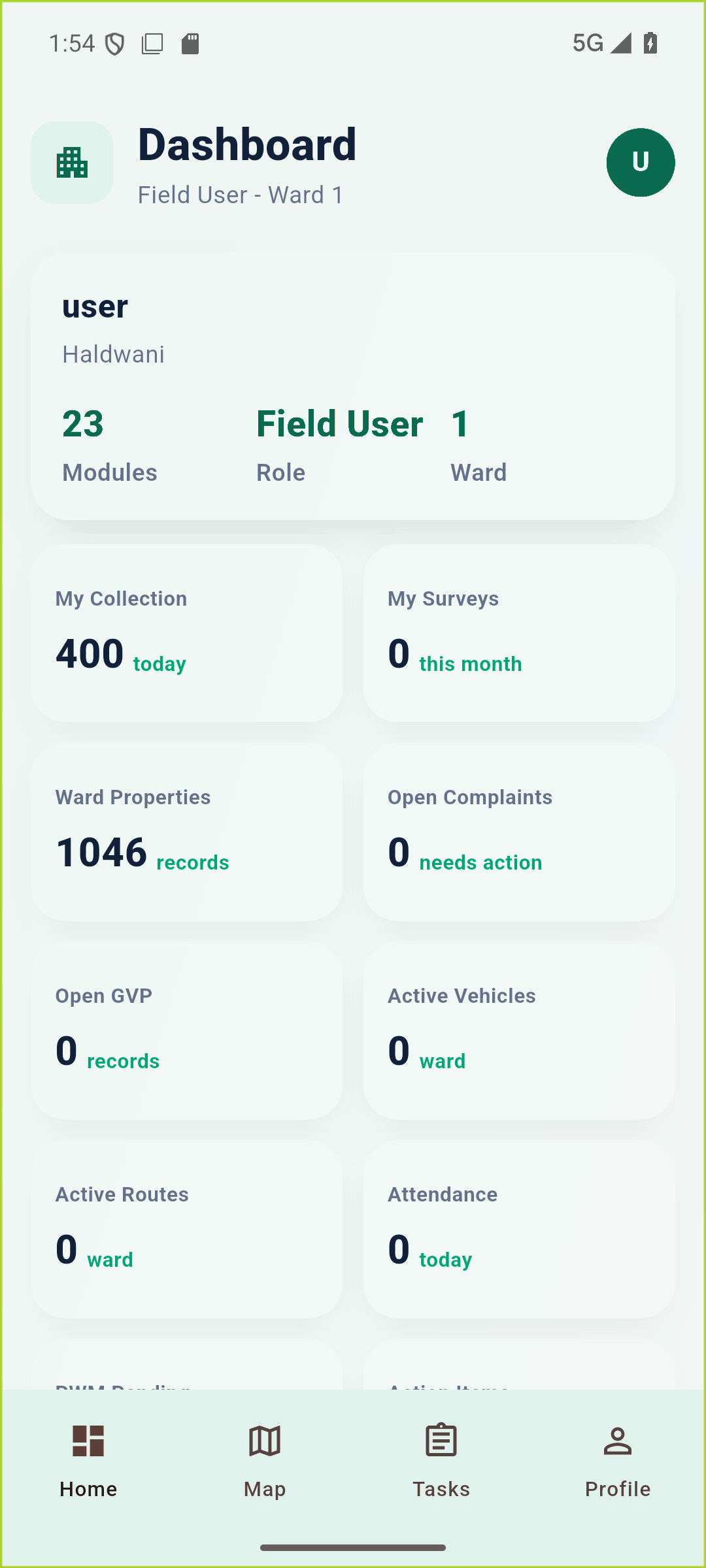
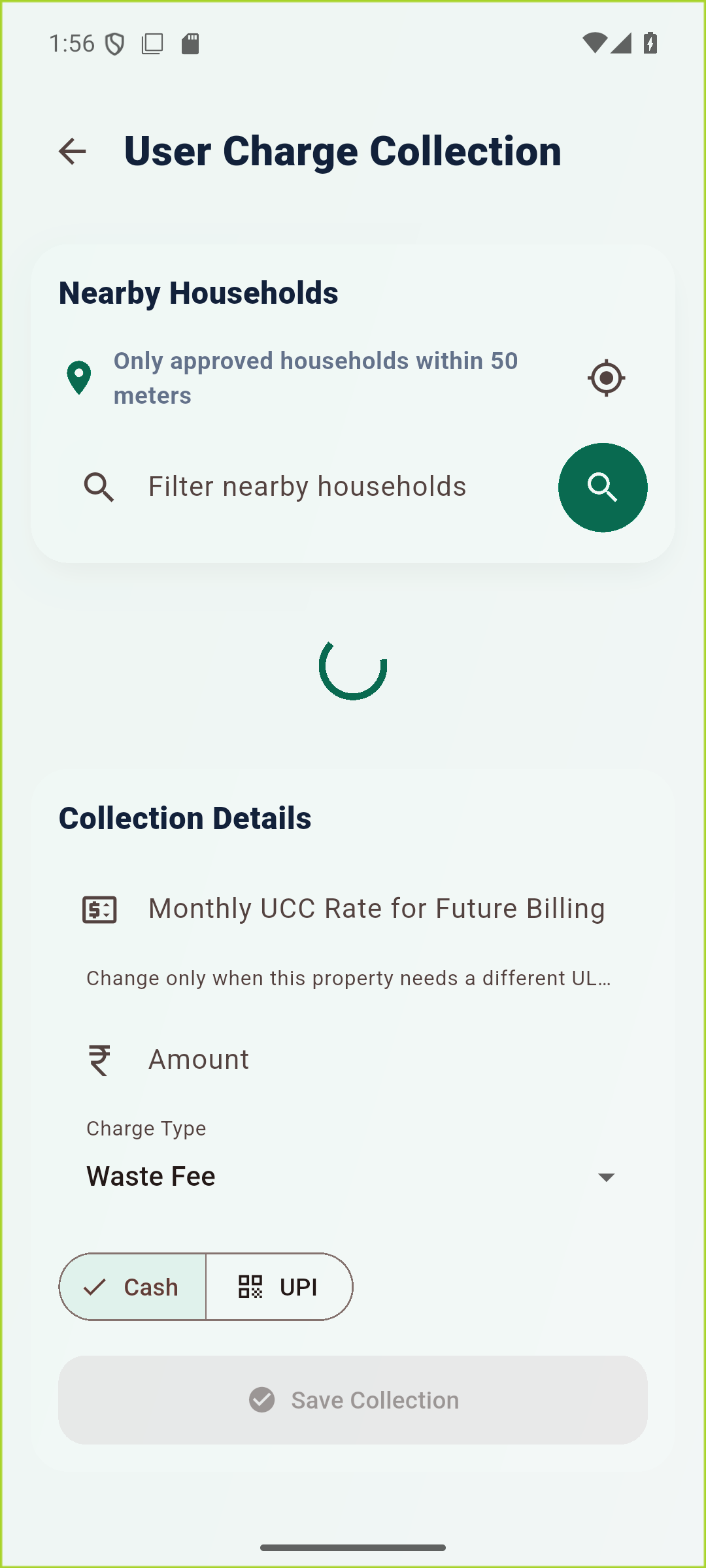
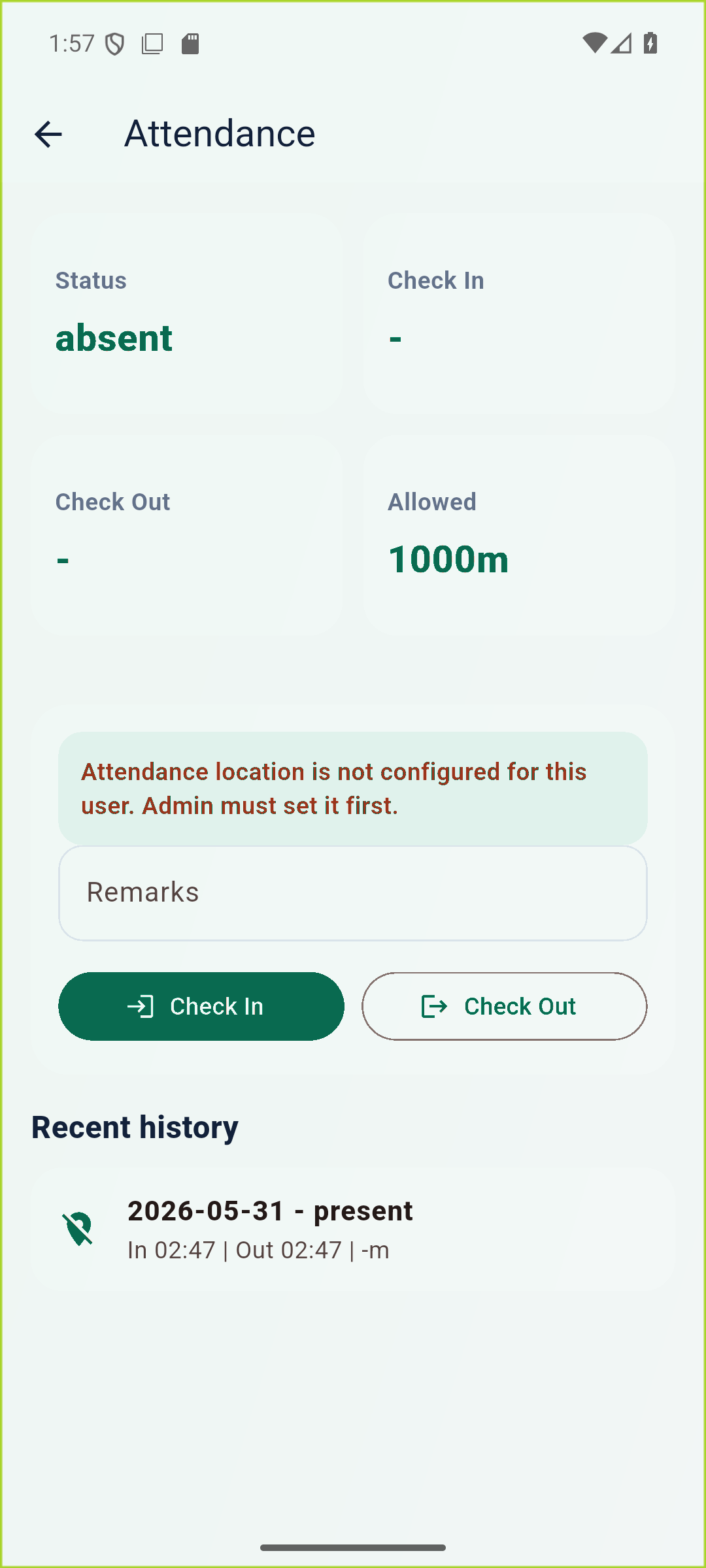
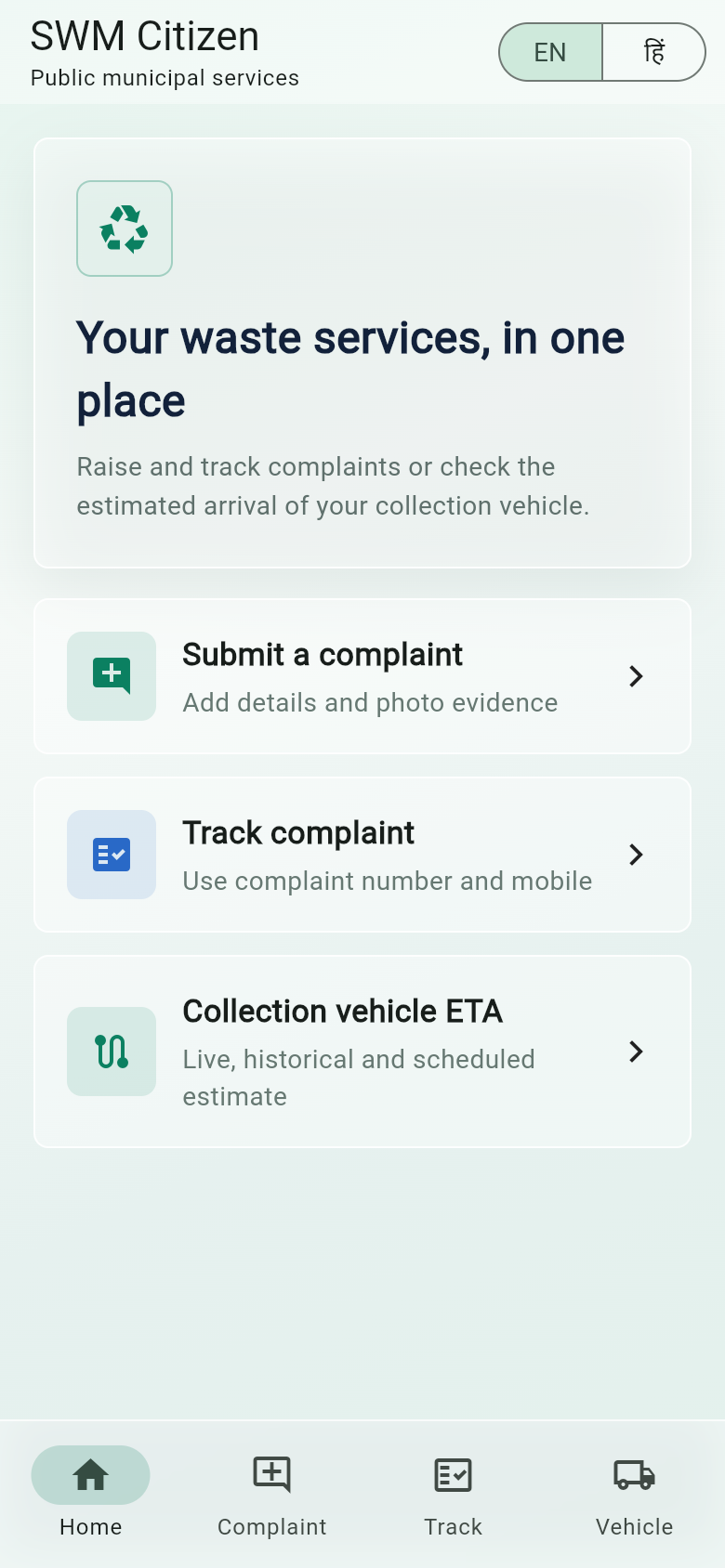
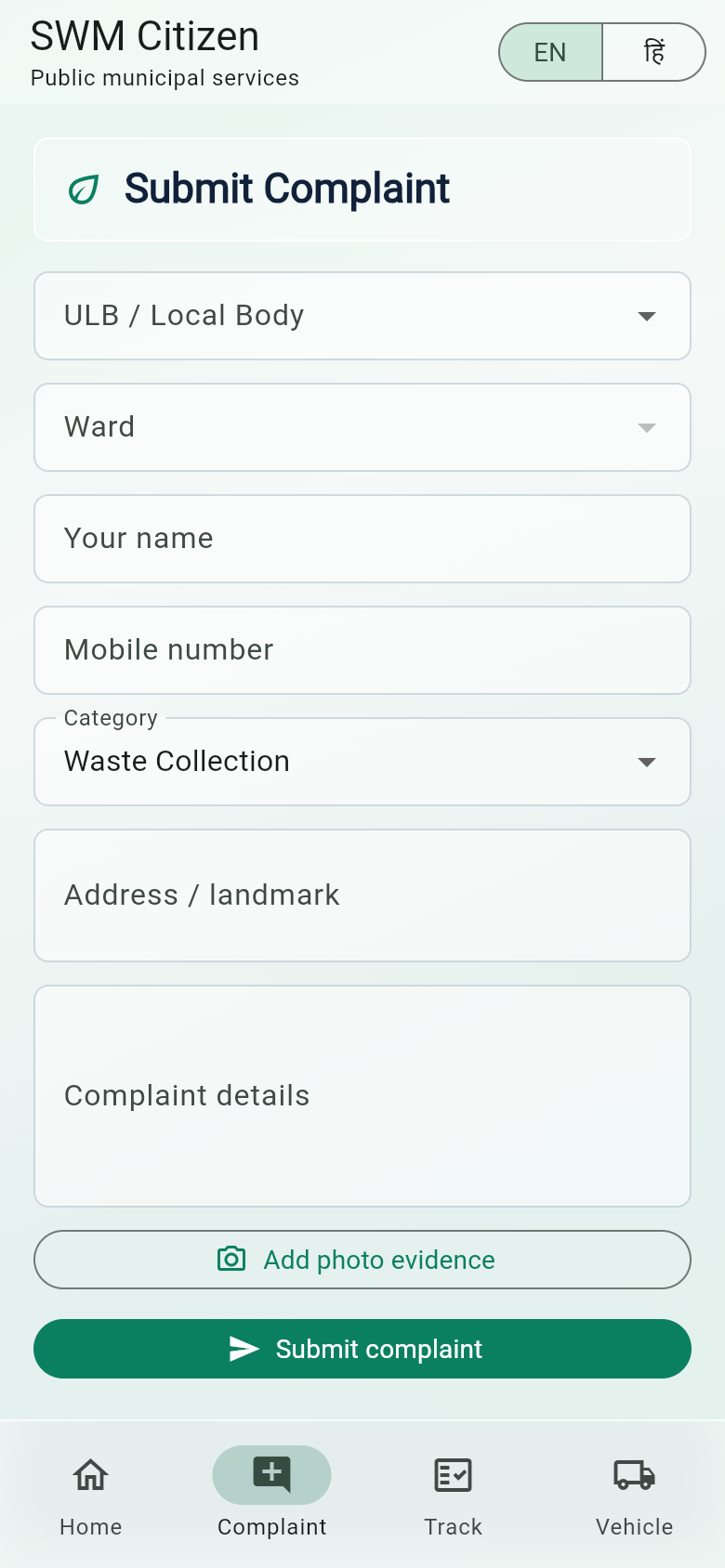
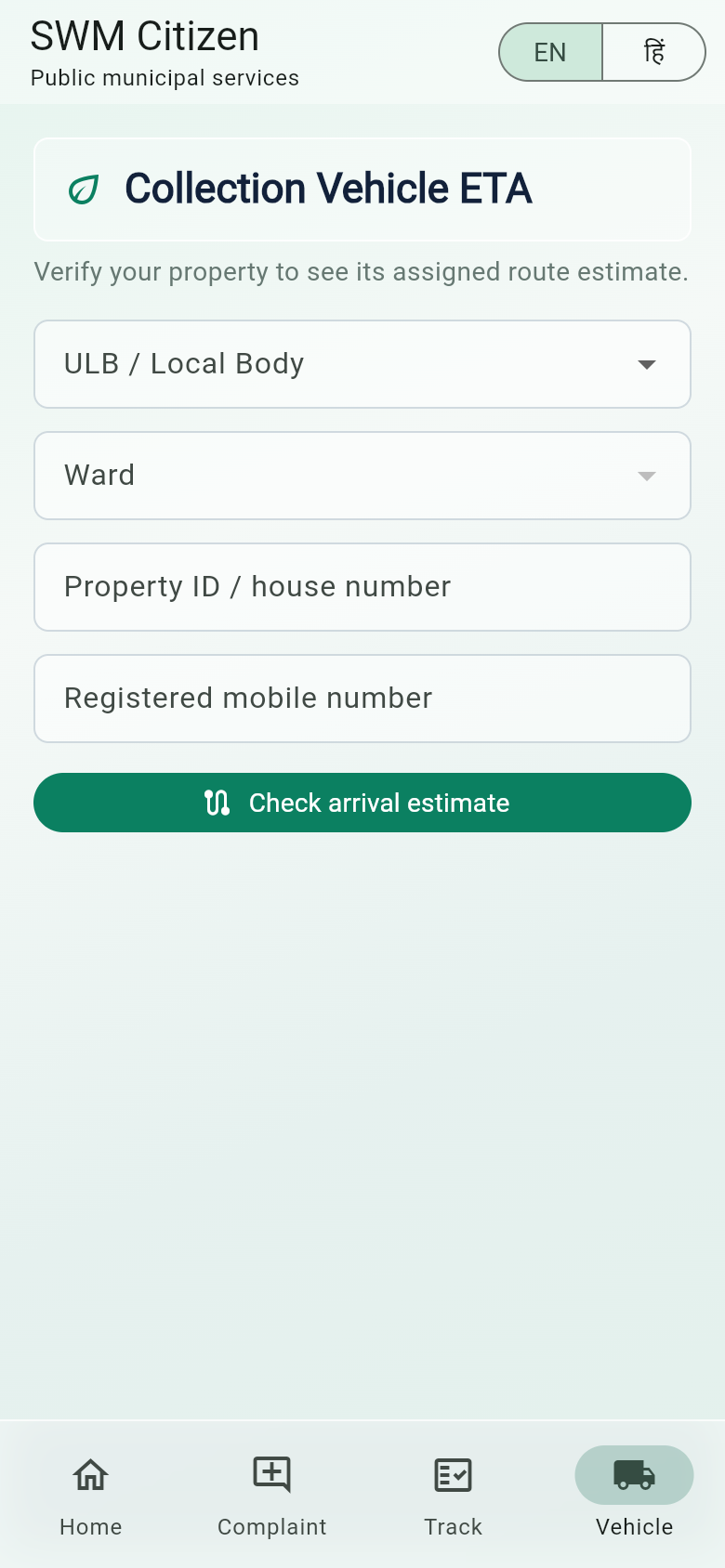
These are working portal screens from the current system, not conceptual illustrations.
The command center summarizes live portal records and highlights weak or inactive areas so the ULB can prioritize review.
Compare ward household counts, drill into household points, view heatmaps and overlay municipal SWM infrastructure.
Every ULB can activate only the modules it needs. Default role access can be refined for individual users.
Build the ward-level service database and convert daily sanitation work into reviewable records.
Connect properties with ULB-specific tariffs, demand, collection, receipts and recovery follow-up.
Plan collection routes, link resources and analyse movement, distance and spatial coverage.
Maintain the location, capacity, operator, status and evidence for municipal SWM infrastructure.
Connect public issues, officer action and locally required municipal registers to one workflow.
Give officers a concise view of completed work, pending risk, weak wards and evidence gaps.
This catalogue reflects the current portal structure, including entry workflows, monitoring pages, access controls and management reports.
Role-aware operational indicators, pending work and priority alerts.
One-screen review of field work, revenue, complaints, assets and compliance.
Create wards, maintain ward records and control ward-level operations.
Create users, assign roles and allocate one or multiple wards.
Upload household and commercial records with automatic ward creation.
Set default module permissions for each portal role.
Enable or remove individual options for a specific user.
Controlled password-reset requests with administrator approval.
Review database readiness, runtime checks and operational logs.
Search, filter and maintain ward-wise property and resident records.
Capture owner, occupancy, category, contact, address and GPS information.
Record mixed, two-stream or four-stream door-to-door collection.
Mark attendance within the distance permitted for the individual user.
Submit area, road coverage, waste lifted, workforce and completion evidence.
Capture visit type, observations, action, GPS and supporting evidence.
Record campaign type, audience, expenditure, photographs and videos.
Maintain ULB-wise bank, gateway, category and subcategory rates.
Find eligible properties, calculate dues and collect cash, UPI or online payment.
Generate monthly demand, preserve historical rates and calculate arrears.
Identify unpaid properties and open manual WhatsApp follow-up.
Search, reopen, print and share prior collection receipts.
Compare demand, collection, pending amount and recovery ward-wise.
Prepare targeted communication for unpaid or selected households.
Optional ULB-controlled house-tax collection and reporting workflow.
Optional ULB-controlled water-tax collection and reporting workflow.
Track municipal property rent, advertisement sites and LED-related billing.
Store vehicle, capacity, status, GPS device and operating details.
Draw editable door-to-door routes and maintain planned distance and stoppages.
Assign one or more vehicles to the wards they serve.
Link drivers or collection staff with vehicles and routes.
Review mapped route, latest GPS state and daily operational position.
Compare planned movement, visited points, missed points and route coverage.
Review vehicle-wise, ward-wise and date-wise distance and collection activity.
Identify low coverage, missed stoppages and routes requiring attention.
Maintain map-ready coordinates, category, photographs and asset status.
View ward counts, household drill-down, assets, routes and comparative heatmaps.
Support estimated arrival and missed-visit communication from route history.
Register BWGs, store official certificates and monitor processing compliance.
Report vulnerable garbage points, assign action and preserve before/after evidence.
Track capacity, inflow, output, machinery, operator and operational readiness.
Maintain ownership, caretaker, seats, water, cleaning frequency and service status.
Record technology, capacity, operator, waste stream, output and GIS location.
Track holding capacity, vehicle bays, compactors and linked processing sites.
Maintain PWM records, EPR references, official certificates and quantities.
Record legacy quantity, processing progress, RDF transfer and disposal evidence.
Geo-register open fields used or at risk for dumping and GVP formation.
Maintain STP, sewer-line capacity, location, condition and service information.
Allow citizens to report sanitation issues with ward, location and evidence.
Register manually, assign staff, change status and monitor redressal.
Submit action response and closure evidence against assigned complaints.
Record offender, violation, amount, officer, payment and enforcement status.
Maintain operator, capacity, location, waste linkage and inspection schedule.
Record owner, licence, animal count, validity and renewal information.
Verify photographs, documents and location evidence submitted by field teams.
Compare wards using collection, complaints, GVP and operational performance.
Highlight missing, expired, weak or unattended records requiring action.
Combine portal-derived indicators with manual evidence-gap entries.
Filter operational information by date, ward, category, status and responsible team.
Download structured data for analysis and statutory working sheets.
Prepare review-ready reports for meetings, submissions and sharing.
Activate only the services required by each ULB, role or individual user.
The mobile application presents only the actions relevant to the signed-in role, with a persistent English/Hindi language selector and permission-ready access to location, camera and evidence capture.


The portal supports default role access plus administrator-controlled module access for specific users.
| User role | Primary portal responsibility | Default scope |
|---|---|---|
| ULB Administrator | Configuration, staff, rates, assets, complaints, MIS and reports | Full ULB control |
| ULB Operator | Data entry, registers, bulk import, reports and assigned modules | Operational |
| Senior Health Officer / CSI / SI | Ward teams, inspections, cleaning, challans, complaints and compliance | Supervisory |
| Supervisor | Survey verification, field team, route coverage and ward performance | Ward oversight |
| Field User | Survey, UCC collection, attendance, complaints and field evidence | Assigned wards |
| Sanitary Worker | Waste collection status, attendance, GVP and daily work records | Field capture |
| Tax Officer / Inspector | Rate review, demand, receipts, arrears and revenue reporting | Revenue |
Role access is configurable. A ULB administrator can enable or remove modules according to local staffing and operational requirements.
Existing household and commercial datasets can be imported to avoid repeating a full survey where reliable data already exists.
Modules can be added, removed or configured according to local requirements, available data and departmental responsibility.
A live demonstration can cover the command center, GIS map, household data, vehicle routes, complaints, BWG/GVP, UCC, field application and management reports.
Venueraa Services
Solid Waste Management Digital Monitoring Portal